RECs and Other Global EACs

What’s an EAC?
An energy attribute certificate (EAC) is official documentation that proves that 1MWh of renewable energy has been added to the energy grid. Purchasing an EAC entitles the buyer to make the only claim on consumption of that renewable energy and its associated environmental benefits. EACs go by different names in different countries; the attributes contained in an EAC can also vary.
High-quality RECs and other global EACs that help meet your renewable goals
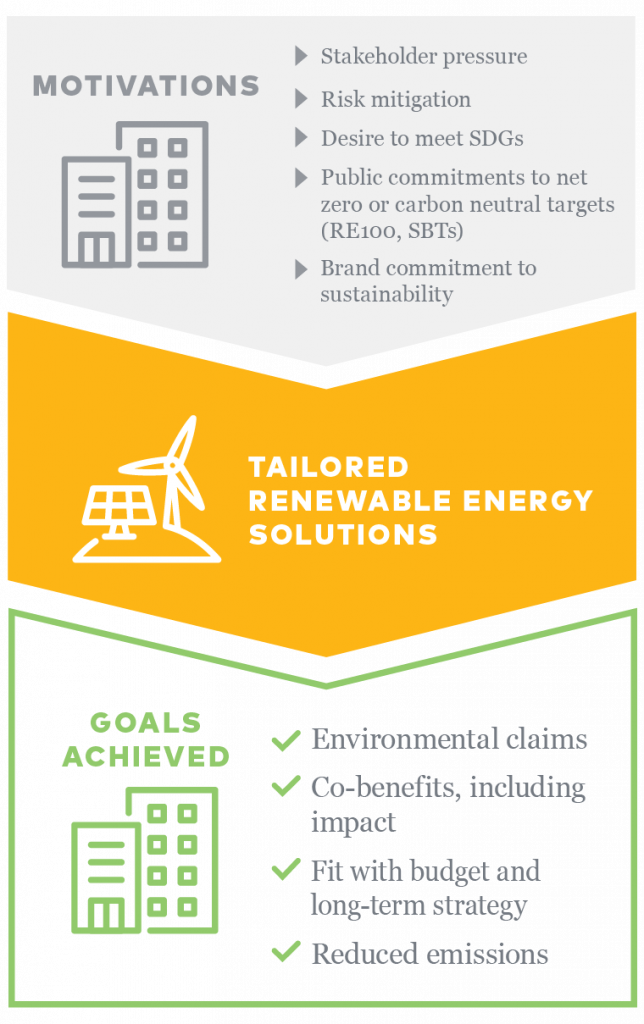
Organizations across the globe are increasing their commitments to take action on climate change, with many setting net zero goals or carbon neutrality goals. And since scope 2 emissions – indirect greenhouse gas (GHG) emissions resulting from the generation of purchased electricity consumed by an organization – typically represent over 60% of an organization’s emissions footprint, a robust plan to address these emissions is a critical component to any organization’s climate strategy. 3Degrees partners with organizations worldwide to reduce their scope 2 emissions using high-quality energy attribute certificates (RECs in North America; other global EACs in other parts of the world).
Motivations to Address Scope 2 Emissions
Companies have diverse motivations for purchasing EACs. 3Degrees tailors renewable energy solutions to meet each customer’s specific goals.

EAC OPTIONS BY REGION
RECs and global EACs enable organizations of all sizes to reduce the environmental impact of their energy use and support renewable energy projects across the globe. EAC products vary by country, with some of the most common being: RECs – North America; Guarantees of Origin (GOs) – Europe; International RECs (I-RECs) – many regions; Tradable Instruments for Global Renewables (TIGRs) – many regions; J-Credits and NFCs – Japan; and NZECS – New Zealand.
In each case, the product delivers the environmental benefits (but not the electricity) associated with one megawatt-hour of renewable energy generated. From wind and solar, to hydro and biogas, RECs and global EACs allow companies to support renewable energy no matter where they source their power. However, each renewable energy market has its own geographic boundary that dictates where credible claims can be made. With EAC markets developing rapidly across the globe, our customers have growing access to a broad range of certificates that help them reach their targets internationally.
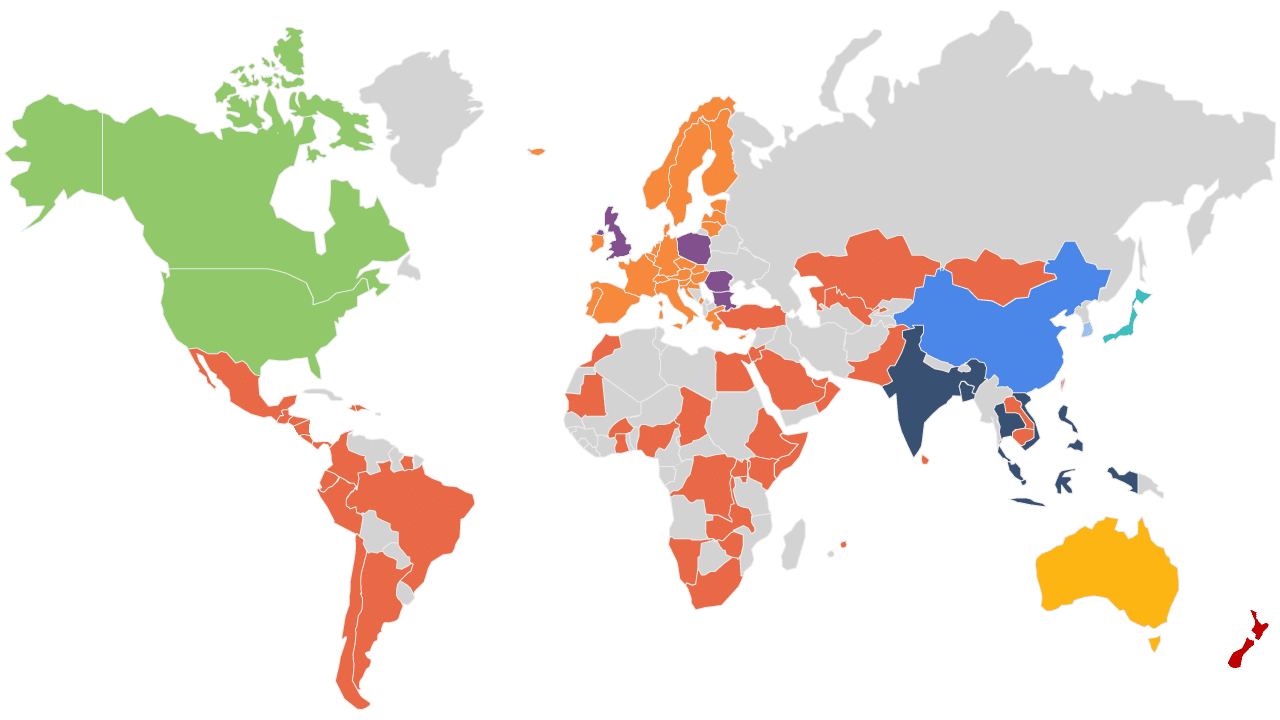
| ◉ RECs (Renewable Energy Certificates) ◉ I-REC (I-REC for Electricity) ◉ AIB GO (AIB Guarantee of Origin) ◉ Non-AIB GO or REGO (Non-AIB Guarantee of Origin or Renewable Energy Guarantee of Origin) ◉ I-RECs & NZECS (New Zealand Energy Certificate System) |
◉ I-REC & LGCs (Large-scale Generation Certificates) ◉ TIGRs & I-RECs (Tradable Instruments for Global Renewables) ◉ T-RECs & TIGRs & I-REC ◉ J-Credit & I-RECs & NFCs (Non-Fossil Value Certificates) ◉ TIGRs, I-RECs, & GECs (Green Electricity Certificates) ◉ TIGRs & Korea RE100 Certificates (REC) |
| ◉ RECs (Renewable Energy Certificates) ◉ I-REC (I-REC for Electricity) ◉ AIB GO (AIB Guarantee of Origin) ◉ Non-AIB GO or REGO (Non-AIB Guarantee of Origin or Renewable Energy Guarantee of Origin) ◉ I-RECs & NZECS (New Zealand Energy Certificate System) ◉ LGCs (Large-scale Generation Certificates) ◉ TIGRs (Tradable Instruments for Global Renewables) ◉ T-RECs & TIGRs ◉ J-Credit & NFCs (Non-Fossil Value Certificates) ◉ TIGRs, I-RECs, & GECs (Green Electricity Certificates) ◉ TIGRs & Korea RE100 Certificates (REC) |
“We have set a 100% renewable energy goal and we continue to hit it every year. We work with 3Degrees to find the best country-specific methods we can - and every year it’s a little bit different and gets better and better."
PROJECT PROFILES
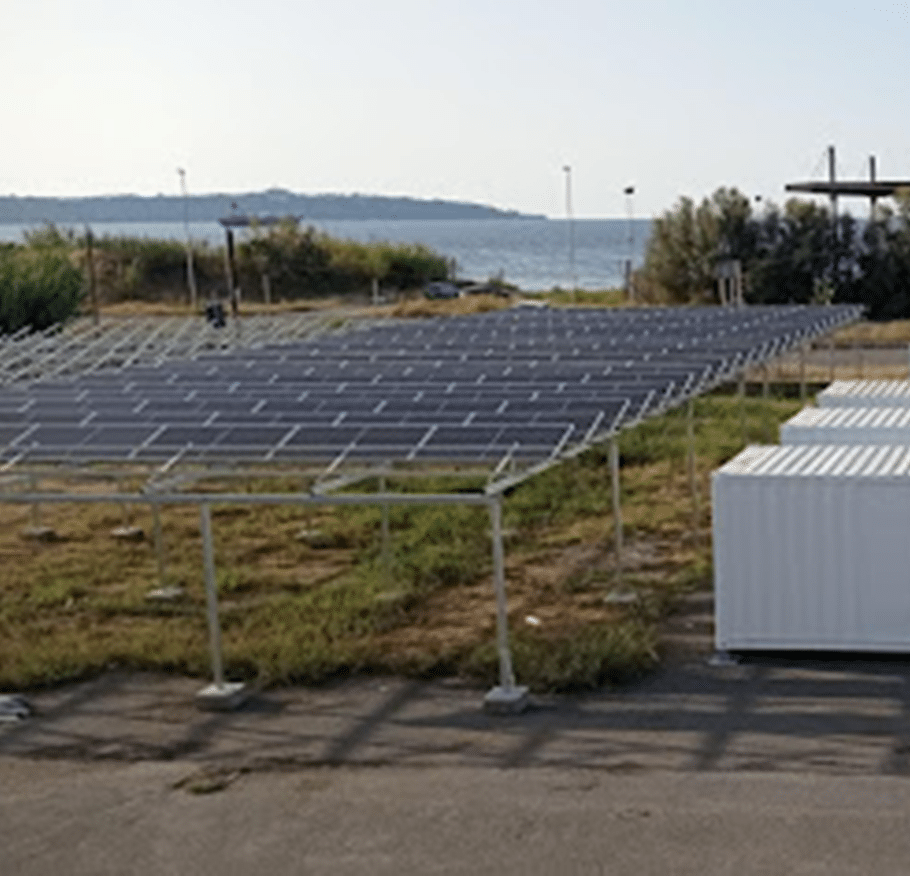


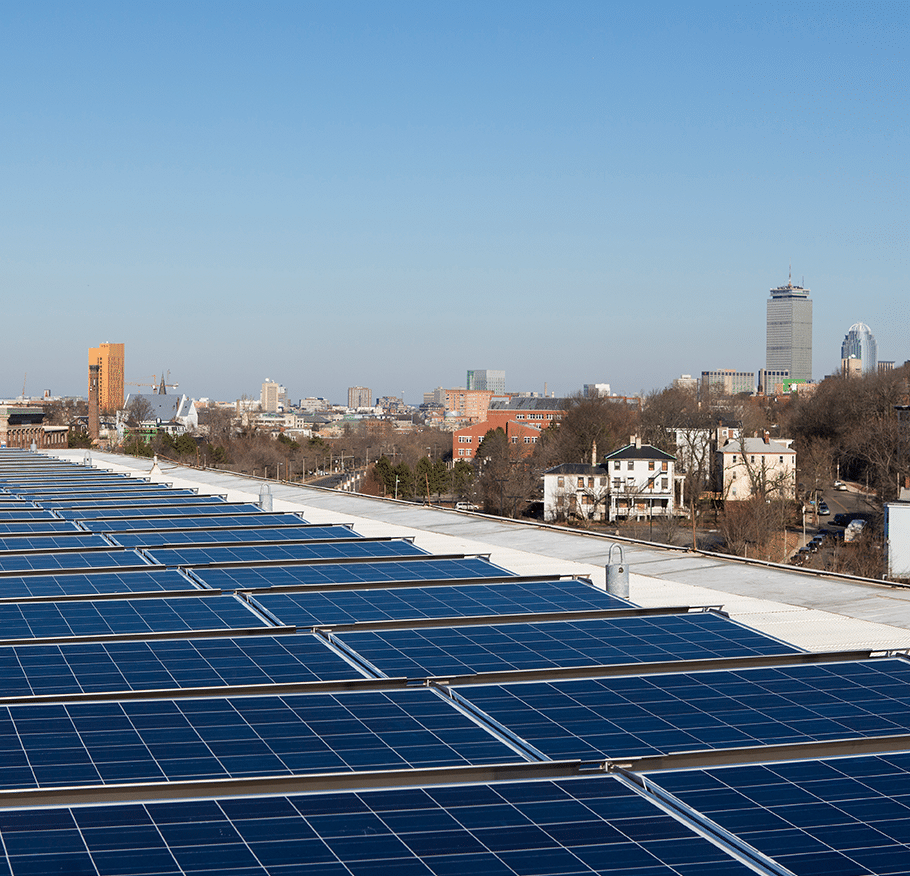
The 3Degrees Difference
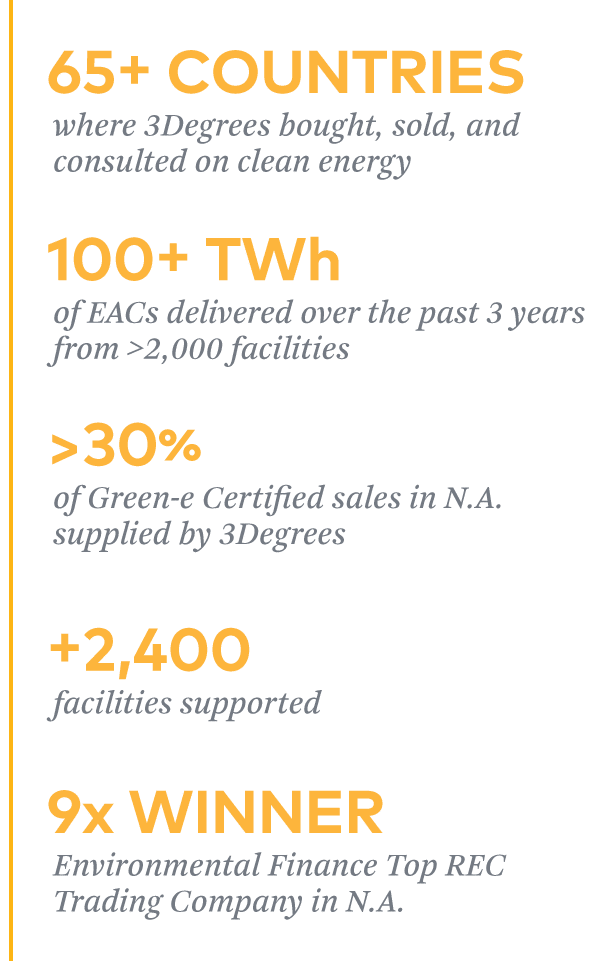
Proven leadership: For more than 15 years, 3Degrees has focused on building a healthy market for renewable energy worldwide — working with developers to get new projects built, while playing a lead role in a number of industry associations.
Comprehensive, customized solutions: We’ve done business in over 65 countries, and are well equipped to help our customers source high-quality EAC products to meet their worldwide renewable energy needs. Our team of dedicated portfolio managers develop tailored renewable energy solutions that balance cost, technology, and geography preferences. 3Degrees also offers renewable energy and climate consulting services, as well as a suite of solutions to address scope 1 and scope 3 emissions.
Unique products: When customers are interested in making a specific type of impact, we work together to design a renewable energy strategy that incorporates products that offer additional co-benefits. Examples include:
- This innovative hybrid wind-solar project that provides low-cost, locally generated energy to Lake Region Electric Cooperative members in Minnesota.
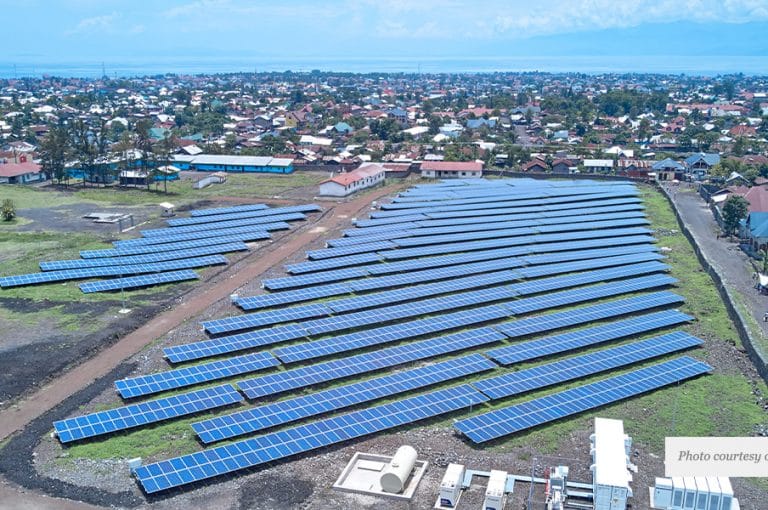
- The first-ever Peace REC (P-REC) transaction in the Democratic Republic of Congo, which helped fund the construction of 35 mini-grid-connected streetlights in Goma, dramatically improving the quality of life in this conflict-affected region.
Reliability and integrity: We provide every customer with the full detail on every EAC that they purchase — including technology, project site, and vintage. In addition, all EACs are either tracked and cancelled on a tracking system or registry, or audited by an independent third-party, and in North America our Green-e® Certified RECs meet or exceed Green-e® requirements.
Strategic support: Our team has deep expertise in market insight, analysis, and regulatory affairs that helps customers navigate the evolving landscape on everything from supply and demand impact on pricing, to country-specific regulatory changes, and more.
Global EACs clients






Factors to consider with REC or other EAC purchases
- Environmental Attributes: High-quality EACs always convey RE usage claims, though some also contain additional attributes, such as avoided emission benefits.
- Location: Proximity of renewable generation to electricity consumption.
- Technology: Type of renewable resource, including solar, wind, geothermal, biomass, and hydro.
- Co-benefits: Additional benefits provided by projects beyond environmental attributes, such as creating jobs in a local community or maintaining pollinator habitats.
- Registration: Electronic tracking systems that exist in many markets to track the ownership of an EAC. Different regions may use different tracking systems to validate ownership.
- Regulatory Interaction: The regulatory environment of each market can influence the impact of EAC procurement. For example, some market structures allow voluntary purchasing to be incremental to generation required by government mandates.
- Reporting Value: Reporting platforms (e.g. CDP and RE100) and voluntary certifications (e.g. Green-e® and LEED) may require EACs to meet specific criteria, such as those relating to geography, vintage, facility age, and third-party certification.
- SDGs: EACs may meet the criteria for specific UN Sustainable Development Goals (SDGs).
 3Degrees works with Energy Peace Partners (EPP) to sell P-RECs and has been designated an “Experienced P-REC Seller”. EPP developed the “Experienced P-REC Seller” distinction to help buyers identify advisory firms that can support them with understanding the role of P-RECs in their clean energy-related impact strategy and with executing P-REC transactions efficiently. Learn more here.